Discover Spoleto
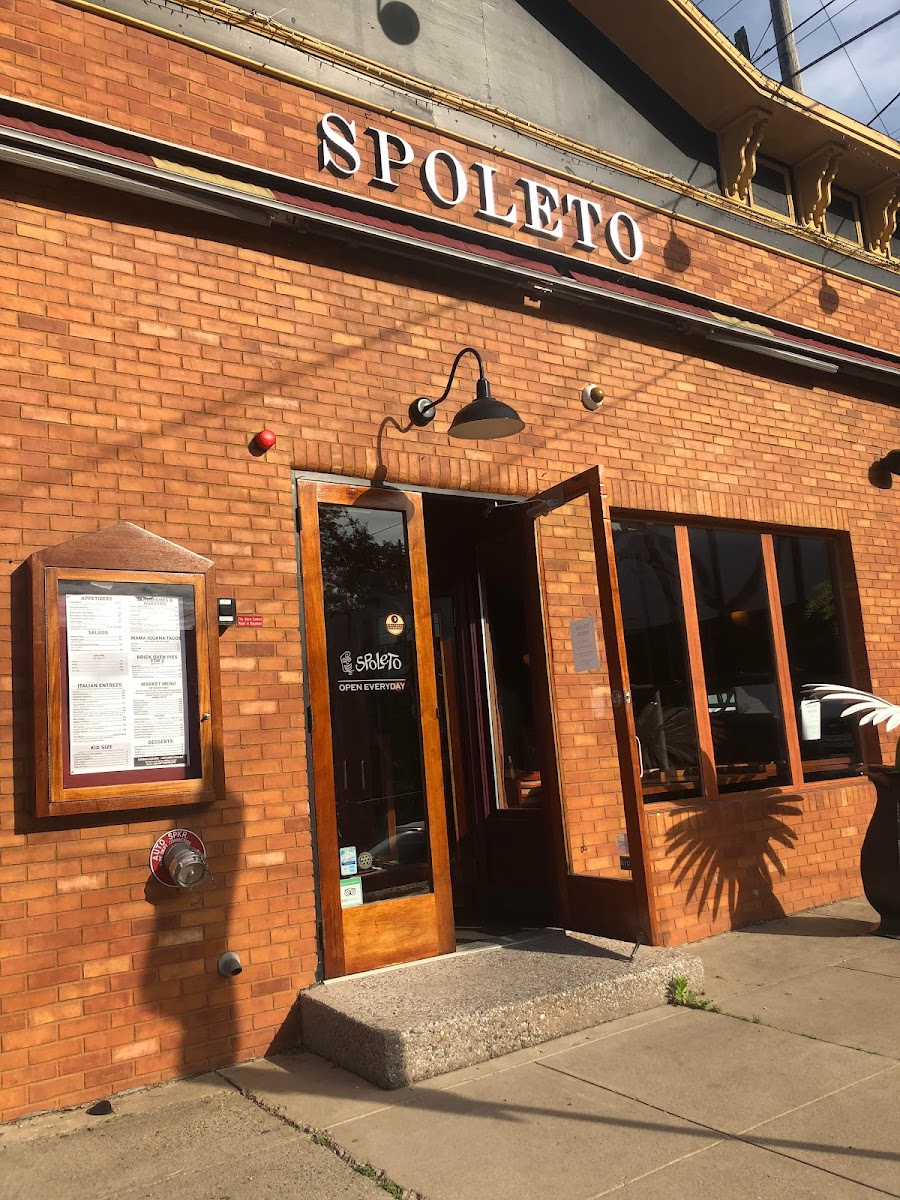
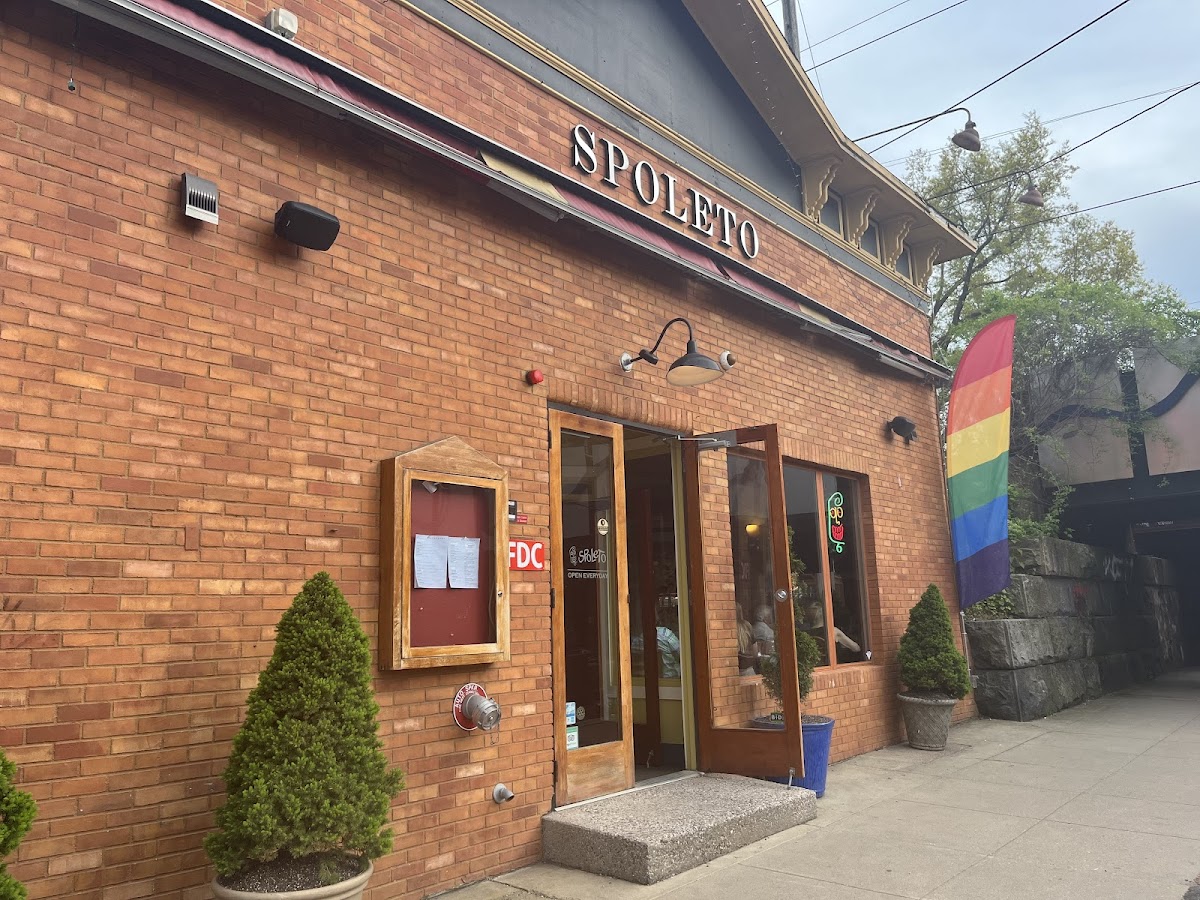
Walking down Bridge Street in downtown Northampton, it’s hard to miss the steady hum of people drifting in and out of Spoleto at 1 Bridge St, Northampton, MA 01060, United States. I first ate here a few years ago after a long shift covering a food culture piece for a regional dining magazine, and I still remember how the line moved fast even during peak dinner hours. That’s not by accident. The place runs on a slick assembly-style system inspired by Italian street kitchens, where guests build their own pasta bowls, choose a sauce, then watch everything flash-cooked in a roaring sauté station.
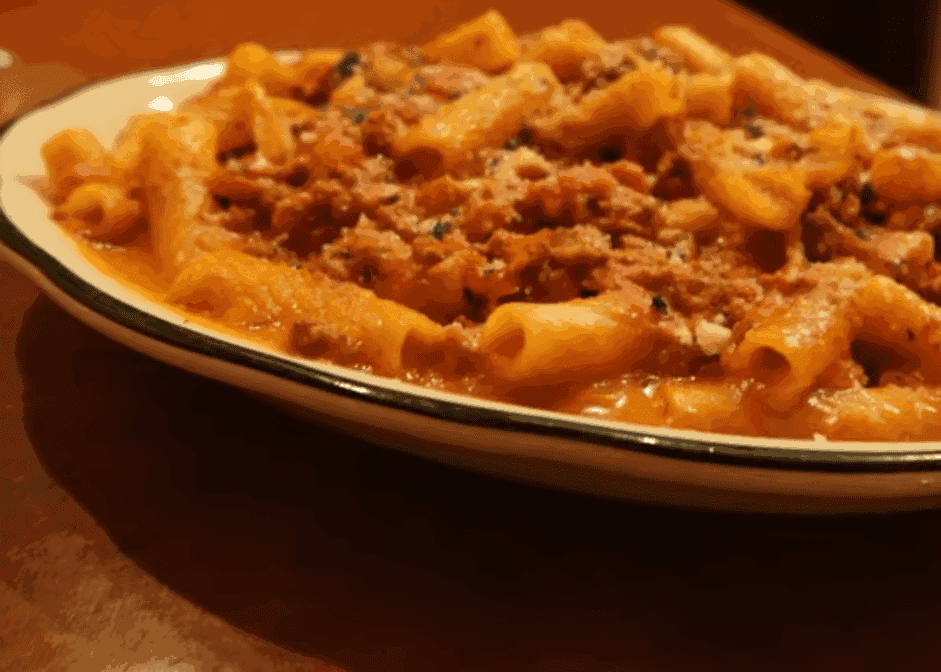
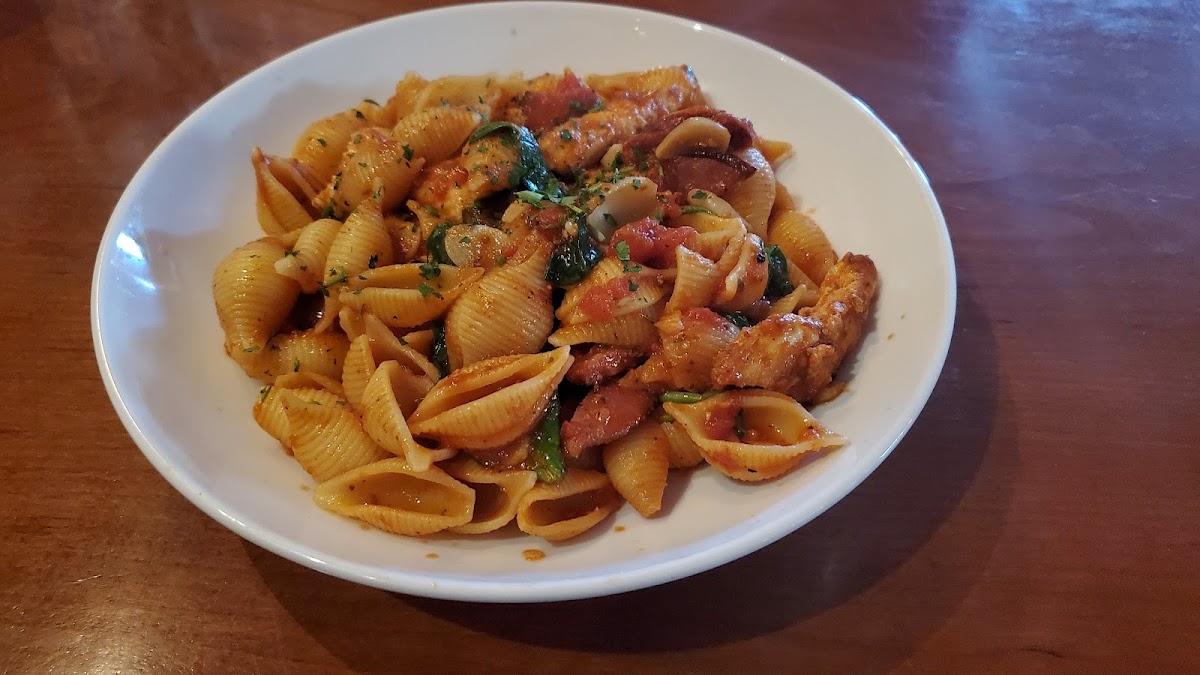
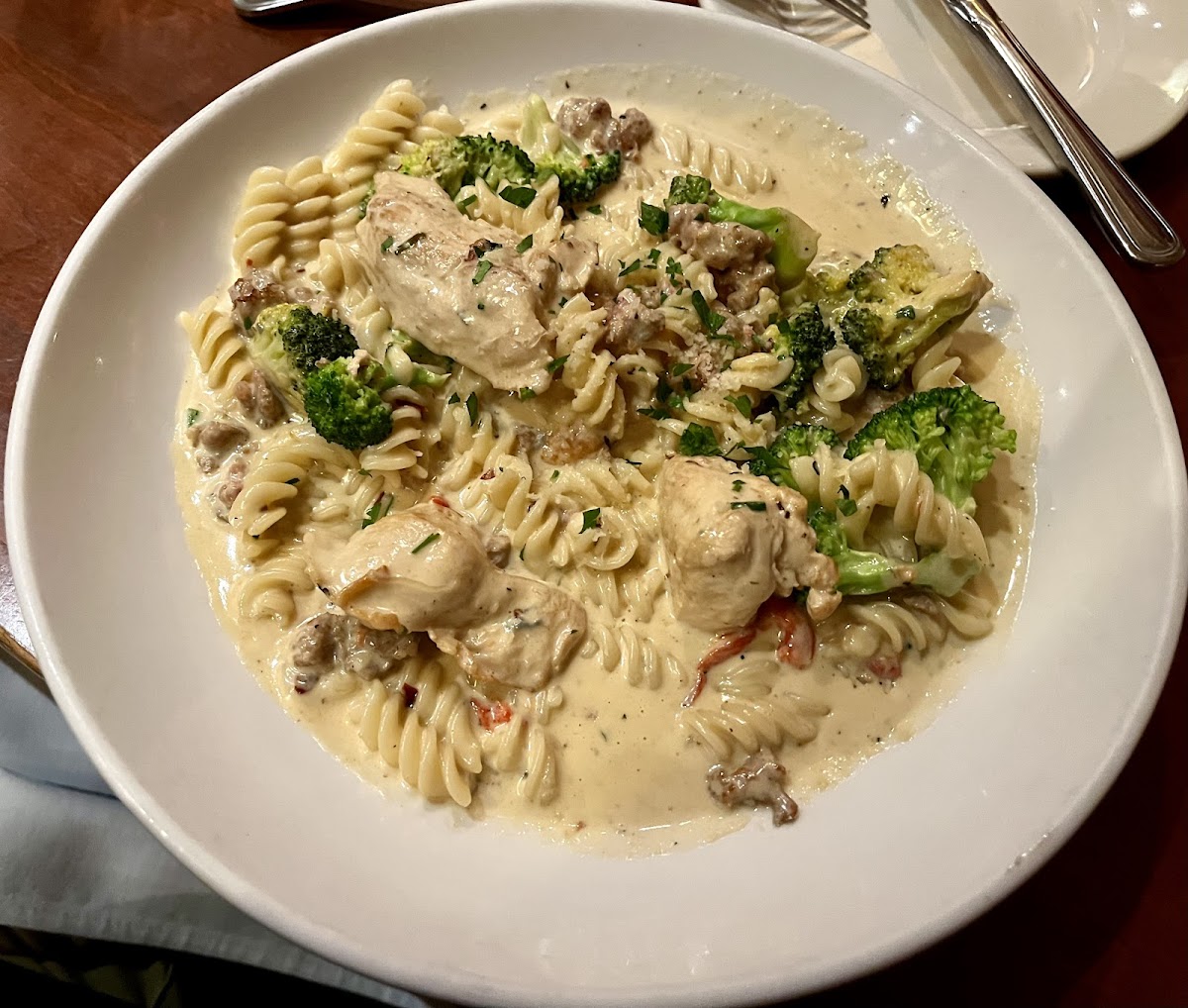
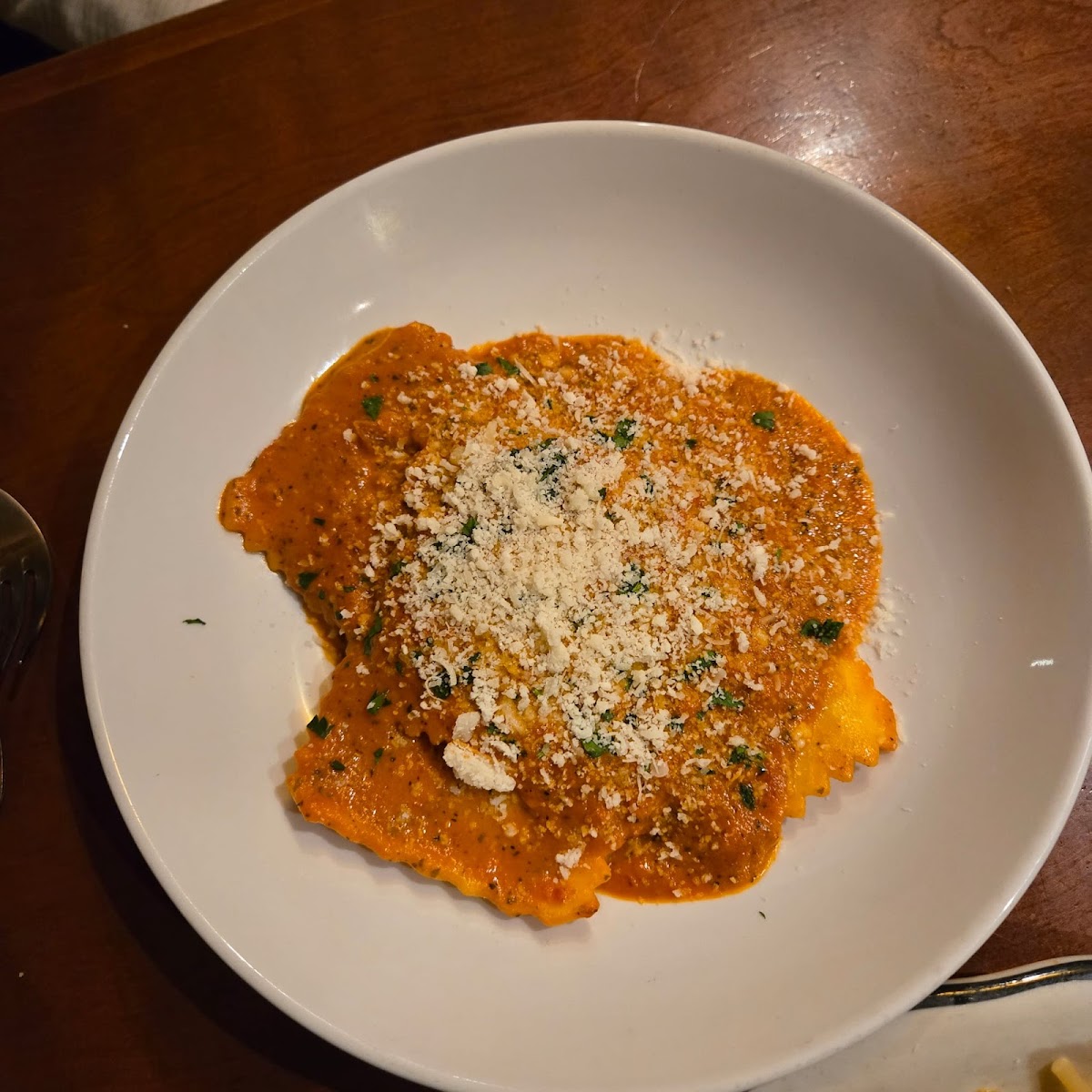
The menu reads simple, but the choices add up quickly. You start with a base like whole-grain penne, gluten-free rotini, or classic linguine. Then come the sauces, from roasted garlic cream to a surprisingly balanced spicy tomato. After that it’s toppings: grilled chicken, caramelized onions, sautéed mushrooms, fresh basil, and imported Parmigiano-Reggiano. During one visit, I timed the process with my phone out of curiosity. From order to first bite took just under five minutes, which is impressive when you’re feeding a full dining room.
This style of fast-casual Italian dining isn’t just trendy; it’s backed by solid research. The National Restaurant Association reported in its 2024 industry outlook that customizable menu formats increased customer satisfaction scores by nearly 20 percent compared to traditional fixed menus. It makes sense. People eat with more confidence when they control ingredients, portions, and flavors. Spoleto nails that balance between speed and freshness, which is no small feat when you’re cooking pasta to order.
Reviews around Northampton echo the same themes. Students from Smith College love the affordability and flexible options, while families appreciate that picky eaters can build something familiar. One local review described the experience as build your bowl freedom, and honestly that phrase fits. I’ve seen regulars greet the cooks by name, which tells you something about consistency and staff retention, two things Cornell University’s School of Hotel Administration lists as predictors of long-term restaurant success.
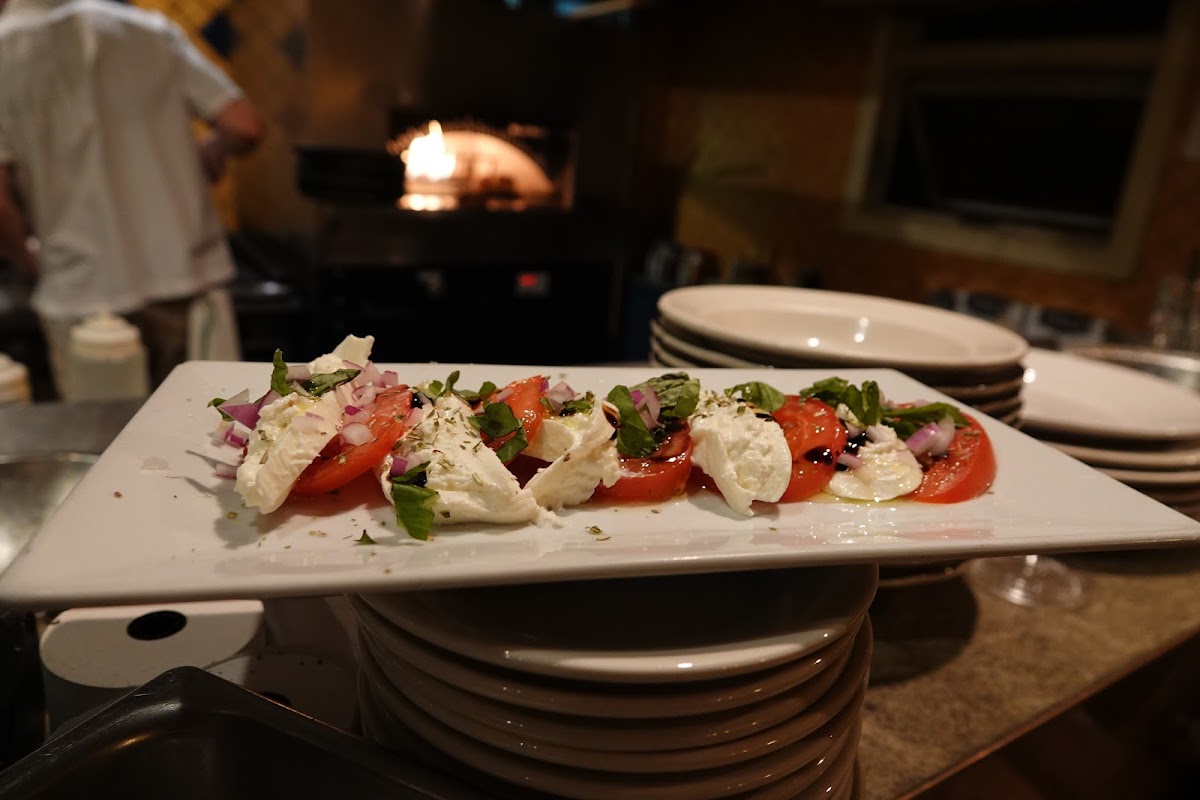
There are a few processes behind the scenes that keep quality steady. Ingredients are prepped in small daily batches rather than massive weekly loads. That means herbs stay bright and vegetables keep texture. I once chatted with a shift supervisor who mentioned they track waste down to individual toppings, adjusting prep quantities based on weather, class schedules, and local events. It’s operational science applied in real time, and you taste the difference.
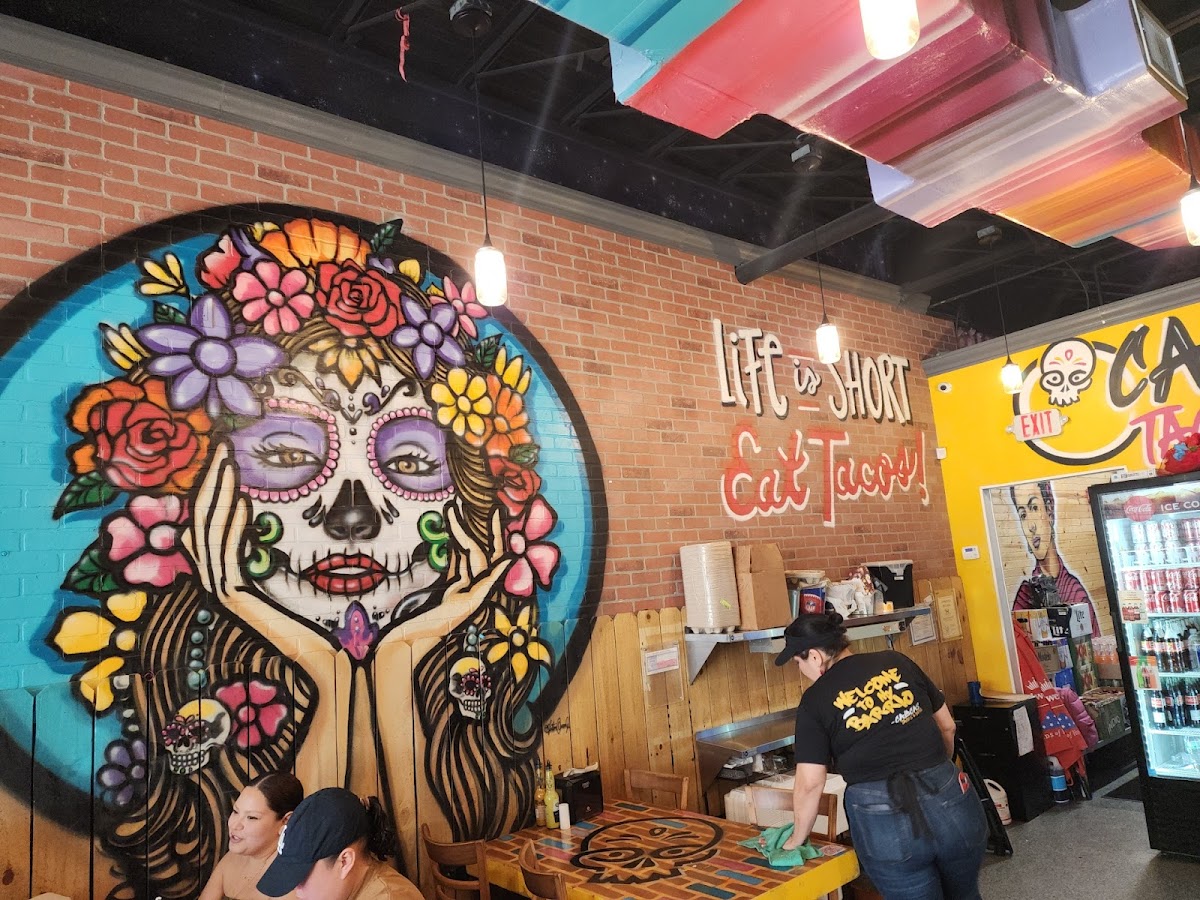
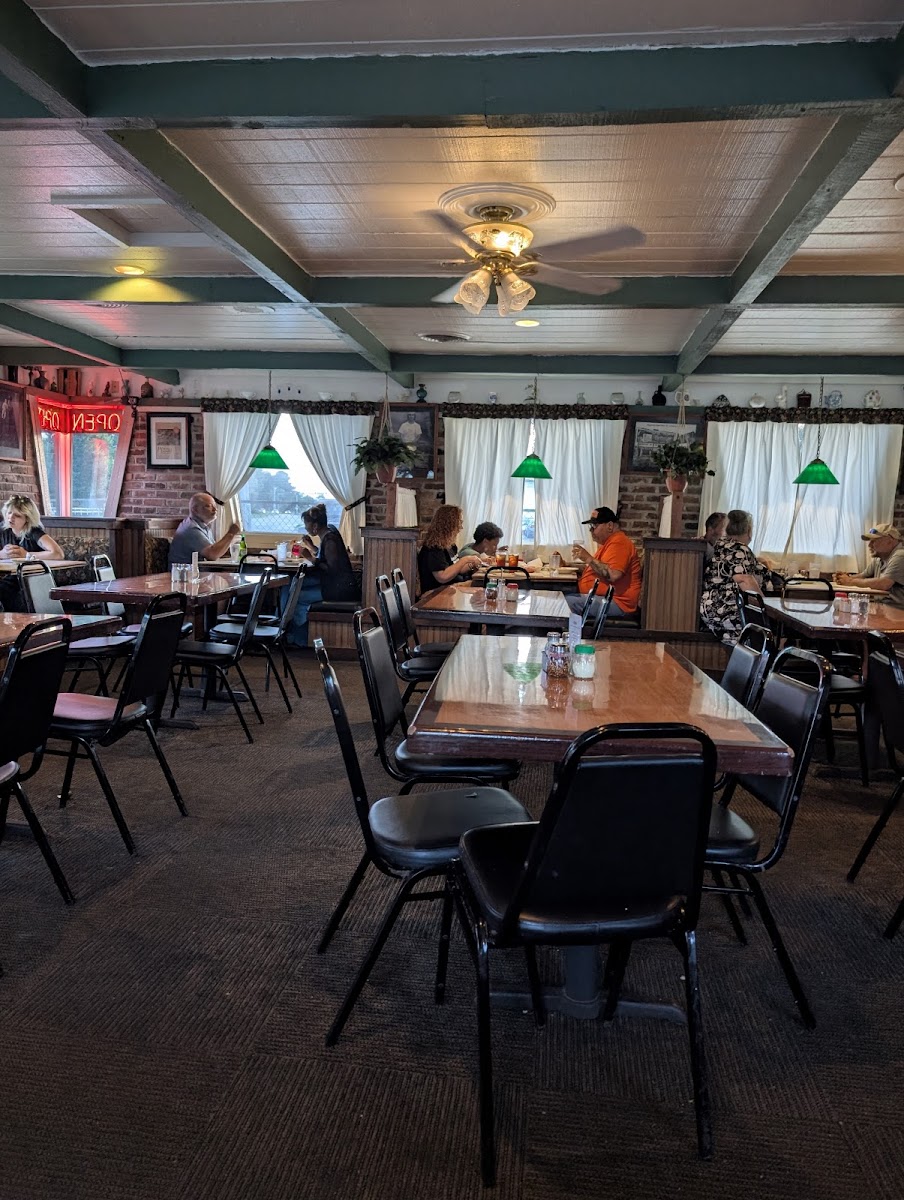
If you’re comparing locations, Northampton’s store feels cozier than the larger urban outposts in Boston or New York. The dining room is compact, with brick walls and big windows looking onto the street, making it ideal for a casual lunch or quick pre-show meal. It doesn’t pretend to be fine dining, and that’s part of the charm. You grab a tray, you watch flames jump from the pan, and you sit wherever there’s space.
To keep things honest, there are limitations. During late Friday nights, the line can back up out the door, and parking near Bridge Street isn’t always easy. Also, while the menu covers vegetarian and gluten-free needs, those with severe allergies should still ask questions because cross-contact is possible in an open kitchen. Transparency matters, and the staff has always been straightforward when I’ve asked about ingredients or prep methods.
What keeps me coming back is that rare mix of efficiency and personality. You’re not just another ticket number; you’re part of a rhythm that’s been refined over years. From the way the cooks toss pasta to the rotating seasonal specials, the place feels alive, grounded in the neighborhood, and constantly evolving with its customers.